Čo sú valčeky odolné voči opotrebovaniu a prečo sú dôležité v priemyselných systémoch
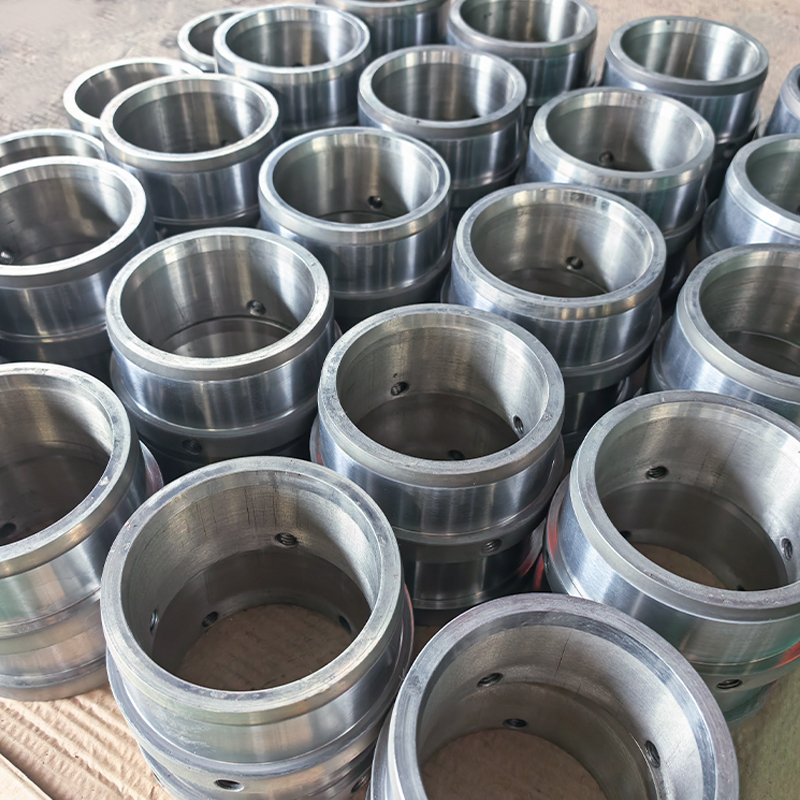
Valce odolné voči opotrebovaniu sú špeciálne skonštruované komponenty navrhnuté tak, aby odolali konštantnému treniu, veľkému zaťaženiu a abrazívnym materiálom bez toho, aby sa rýchlo pokazili. Tieto valce, ktoré sa nachádzajú v dopravníkových systémoch, zariadeniach na manipuláciu s materiálom, tlačiarenských lisoch a výrobných linkách, zohrávajú kľúčovú úlohu pri udržiavaní plynulého chodu výroby. Na rozdiel od štandardných valcov, ktoré sa môžu rýchlo opotrebovať v podmienkach abrazívneho alebo vysokého zaťaženia, valčeky odolné voči opotrebovaniu sú vyrobené zo špecializovaných materiálov a náterov, ktoré predlžujú životnosť, znižujú frekvenciu údržby a minimalizujú nákladné prestoje vo výrobe.
V odvetviach, ako je ťažba, recyklácia, manipulácia so sypkým materiálom a ťažká výroba, môže porucha valca zastaviť celú výrobnú linku. Výber správneho valčeka odolného voči opotrebovaniu pre vašu konkrétnu aplikáciu nie je len o trvanlivosti, ale o prispôsobení materiálu valčeka, povlaku a dizajnu presným požiadavkám vášho operačného prostredia.
Bežné materiály používané vo valčekoch odolných voči opotrebovaniu
Materiálové zloženie valca do značnej miery určuje, ako dobre odoláva oderu, nárazu a chemikáliám. Výrobcovia si zvyčajne vyberajú z niekoľkých kategórií materiálov v závislosti od požiadaviek aplikácie.
Pogumované valčeky
Pogumované valčeky odolné voči opotrebovaniu sa bežne používajú v dopravníkových systémoch na manipuláciu s abrazívnymi sypkými materiálmi, ako je štrk, piesok alebo ruda. Gumová zmes absorbuje nárazy a odoláva rezaniu a ryhovaniu materiálov s ostrými hranami a zároveň poskytuje dobrú priľnavosť, aby sa zabránilo skĺznutiu na dopravnom páse. Špeciálne gumové zmesi môžu byť formulované pre dodatočnú odolnosť voči oleju, teplu alebo chemikáliám v závislosti od špecifického priemyselného prostredia.
Polyuretánové valčeky
Polyuretánové valčeky odolné voči opotrebovaniu ponúkajú vynikajúcu rovnováhu medzi odolnosťou proti oderu, nosnosťou a elasticitou, vďaka čomu sú obľúbenou voľbou pre aplikácie zahŕňajúce jemné časticové materiály alebo mierny náraz. Polyuretán má tiež tendenciu vydržať štandardnú gumu v prostrediach vystavených olejom a určitým chemikáliám, čo mu dáva výhodu v niektorých priemyselných prostrediach.
Valce z ocele a kalenej zliatiny
Pre extrémne vysoké zaťaženie alebo prostredie s vysokým dopadom, ako je ťažba alebo spracovanie ťažkých kovov, ponúkajú valce z kalenej ocele alebo zliatiny vynikajúcu konštrukčnú pevnosť. Tieto valčeky sú často ďalej upravované procesmi povrchového kalenia alebo nátermi odolnými voči opotrebovaniu, aby sa ich životnosť ešte viac predĺžila pri nepretržitom náročnom používaní.
Valčeky s keramickým povrchom
Keramické povlaky poskytujú výnimočnú tvrdosť a odolnosť voči abrazívnemu opotrebovaniu, vďaka čomu sú valce s keramickým povlakom ideálne pre vysoko abrazívne prostredia, ako je výroba cementu alebo spracovanie kameniva. Aj keď sú zvyčajne drahšie vopred, predĺžená životnosť často odôvodňuje investície do aplikácií s vysokým opotrebovaním.
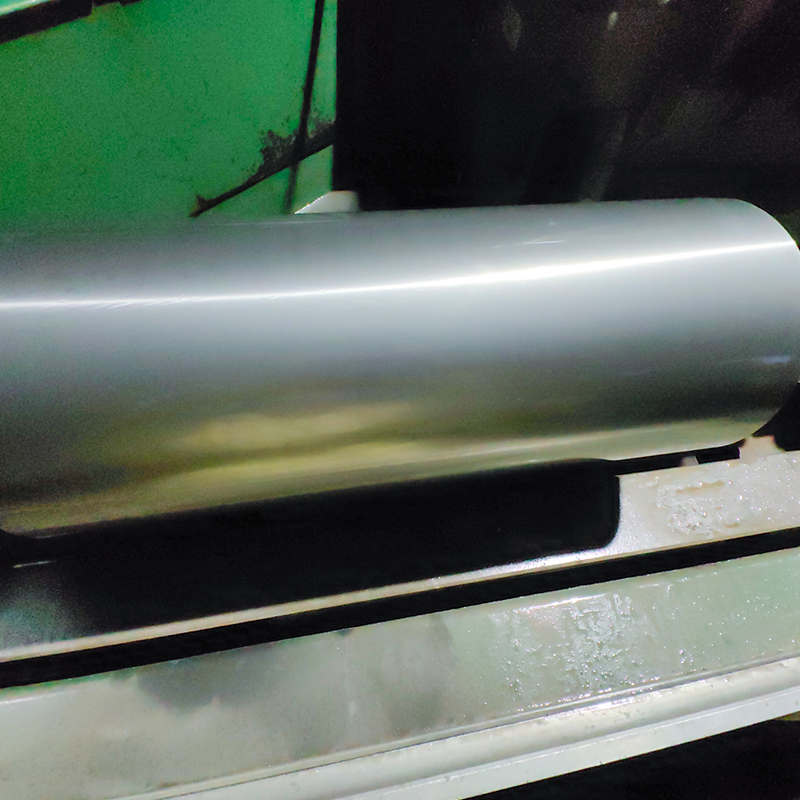
Porovnanie materiálov valcov pre rôzne aplikácie
Výber správneho materiálu do značnej miery závisí od konkrétnych podmienok, ktorým budú vaše valce denne čeliť. Nižšie uvedená tabuľka ponúka všeobecné porovnanie, ktoré vám pomôže pri výbere materiálu.
| Materiál | Najlepšie pre | Odolnosť proti oderu | Relatívne náklady |
| Guma | Manipulácia so sypkým materiálom, ťažba | Stredná až vysoká | Nízka až stredná |
| Polyuretán | Jemné častice, mierny vplyv | Vysoká | Mierne |
| Kalená oceľ/zliatina | Veľké bremená, vysoký náraz | Vysoká | Stredná až vysoká |
| Keramický náter | Vysokály abrasive materials (cement, aggregate) | Veľmi vysoká | Vysoká |
Kľúčové odvetvia, ktoré sa spoliehajú na valčeky odolné voči opotrebovaniu
Valce odolné voči opotrebovaniu sú základnými komponentmi v širokej škále priemyselných odvetví, kde abrazívne materiály, veľké zaťaženie alebo nepretržitá prevádzka vystavujú štandardné valce riziku predčasného zlyhania.
- Ťažba a spracovanie nerastov, kde valce nepretržite spracovávajú abrazívne rudy, horniny a kamenivo.
- Recyklačné zariadenia, kde musia valce odolať ostrým, nepravidelným materiálom, ako je kovový šrot, sklo a stavebný odpad.
- Výroba cementu a kameniva zahŕňajúca vystavenie vysoko abrazívnemu prachu a časticiam.
- Manipulácia s sypkým materiálom a logistika vrátane obilia, uhlia a iných sypkých komodít sa presúvajú cez dopravníkové systémy.
- Tlačiarenský a baliaci priemysel, kde presné valce musia odolávať opotrebovaniu neustálym vysokorýchlostným kontaktom s papierom, fóliou alebo obalovými materiálmi.
Označuje, že je potrebné vymeniť alebo inovovať vaše valčeky
Rozpoznanie skorých príznakov opotrebovania valcov môže zabrániť neočakávaným poruchám zariadenia a nákladným neplánovaným prestojom. Nerovnomerné vzory opotrebovania, viditeľné drážky alebo ploché miesta na povrchu valca často naznačujú, že valec už nerozdeľuje zaťaženie rovnomerne, čo môže viesť k problémom so sledovaním pásu alebo zvýšenému namáhaniu iných komponentov systému. Zvýšené vibrácie alebo nezvyčajný hluk vychádzajúci z valčekovej zostavy sú ďalším bežným varovným signálom, ktorý často poukazuje na opotrebované ložiská alebo degradáciu povrchu. Ak si všimnete častejšie prekĺznutie pásu, rozliatie materiálu alebo postupné zvyšovanie spotreby energie na udržanie rovnakej výrobnej rýchlosti, možno je načase dôkladne skontrolovať vaše valce a zvážiť prechod na odolnejší variant, ktorý vyhovuje vašim špecifickým požiadavkám na manipuláciu s materiálom.
Postupy údržby na predĺženie životnosti valca
Dokonca aj tie najodolnejšie valčeky odolné voči opotrebovaniu profitujú z proaktívnej rutiny údržby. Mali by sa naplánovať pravidelné vizuálne kontroly, aby sa skontrolovalo opotrebovanie povrchu, praskanie alebo degradácia povlaku skôr, ako to povedie k vážnejším mechanickým problémom. Udržiavanie valčekov v čistote a bez nánosov materiálu pomáha predchádzať nerovnomernému opotrebovaniu a znižuje namáhanie ložísk a hriadeľov. Plány mazania by sa mali starostlivo dodržiavať, pretože nedostatočné aj nadmerné mazanie môže prispieť k predčasnému zlyhaniu valca. Okrem toho zabezpečenie správneho zarovnania počas inštalácie a po akýchkoľvek údržbárskych prácach pomáha rovnomerne rozložiť zaťaženie po povrchu valca, čím sa predchádza lokálnemu opotrebovaniu, ktoré môže výrazne skrátiť životnosť valca.
Výber správneho valčeka odolného voči opotrebovaniu pre vašu prevádzku
Výber ideálneho valca odolného voči opotrebovaniu vyžaduje starostlivé vyhodnotenie vašich špecifických prevádzkových podmienok vrátane typu materiálu, s ktorým sa manipuluje, požiadaviek na zaťaženie, prevádzkovej rýchlosti a vystavenia prostredia vlhkosti, chemikáliám alebo extrémnym teplotám. Úzka spolupráca s výrobcom alebo dodávateľom valcov, ktorí rozumejú jedinečným výzvam vášho odvetvia, vám môže pomôcť vybrať valec so správnym zložením materiálu, povlakom a konštrukčnými špecifikáciami pre dlhodobú spoľahlivosť. Investícia do správneho valca odolného voči opotrebovaniu často vedie k významným dlhodobým úsporám znížením nákladov na údržbu, minimalizovaním neplánovaných prestojov a predĺžením celkovej životnosti vášho zariadenia na manipuláciu s materiálom alebo spracovania.